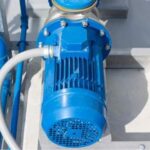
Centrifugal Pump Running Hot and Making Noise?
Introduction
If your centrifugal pump is making loud grinding or screeching noises and feels extremely hot during operation, do not ignore it. These are some of the earliest warning signs that something inside the pump is wearing out. A small mechanical problem can quickly become a major failure if the pump continues running under stress.
In many Dubai homes, villas, and commercial buildings, centrifugal pumps work every day to maintain a steady water supply. As the pump gets older, bearings wear out, shafts move out of alignment, and internal parts begin to create more friction. The result is excessive heat, unusual vibration, poor performance, and eventually complete pump failure.
Professional Centrifugal Pump Repair helps identify these problems before they become expensive. Early Water Pump Troubleshooting can often save the motor, reduce repair costs, and extend the life of the entire pumping system.
Table of Contents
Why Centrifugal Pumps Become Hot
A centrifugal pump normally becomes slightly warm while running, but it should never become too hot to touch. When the temperature rises quickly, it usually means the internal moving parts are facing extra resistance.
The most common reason is friction. Bearings, shafts, seals, and impellers work together at high speed. If one component starts wearing out, the others are forced to work harder. This creates heat, vibration, and unusual noises.
Another common reason is poor ventilation. Pumps installed inside small rooms or exposed to direct sunlight may not release heat properly. Over time, excessive heat weakens internal components and reduces motor efficiency.
Ignoring overheating can damage the motor windings, mechanical seal, bearings, and impeller. Repairing these parts early is much more affordable than replacing the complete pump.
Bearing Failure Explained
Bearings allow the pump shaft to rotate smoothly with very little friction. They are one of the most important mechanical parts inside a centrifugal pump.
Over time, the grease inside the bearings starts drying out. Sometimes moisture enters through a damaged mechanical seal, washing away the lubricant. Without proper lubrication, metal parts begin rubbing directly against each other.
This metal-on-metal contact creates:
- Loud grinding sounds
- High operating temperature
- Strong vibration
- Reduced water flow
- Premature motor wear
If you hear a continuous screeching or grinding noise, the bearings may already be close to failure. Waiting longer can damage the pump shaft as well.
How Shaft Misalignment Damages the Pump
The motor shaft and pump shaft must remain perfectly aligned. Even a small movement can place extra pressure on the bearings and seals.
Shaft misalignment may happen because of:
- Loose mounting bolts
- Foundation movement
- Old flexible couplings
- Bearing wear
- Improper installation
When the shaft becomes misaligned, the impeller no longer rotates smoothly. Instead, it creates vibration throughout the pump body. The motor works harder, electricity consumption increases, and internal parts wear much faster.
This is why professional technicians use alignment tools to ensure every rotating component stays balanced.
Common Warning Signs
Your pump usually gives several warning signs before complete failure. Paying attention to these symptoms can help you avoid costly repairs.
- Grinding or screeching noises
- Pump body becoming unusually hot
- Heavy vibration during operation
- Reduced water pressure
- Water leaking around the mechanical seal
- Motor taking longer to start
- Higher electricity bills
If you notice more than one of these problems together, the pump should be inspected as soon as possible. Professional Water Pump Troubleshooting helps locate the exact fault before additional damage occurs.
Professional Repair Process
A proper repair always starts with a complete inspection instead of replacing random parts.
Technicians first disconnect the electrical supply and safely remove the pump if necessary. The casing is opened carefully to inspect the bearings, shaft, impeller, mechanical seal, and motor.
Damaged bearings are removed using special puller tools. New heavy-duty sealed bearings are installed to provide smooth rotation and longer service life.
The shaft is then checked for bending or excessive wear. If needed, alignment tools are used to restore perfect positioning before reassembling the pump.
The impeller is cleaned, worn seals are replaced, and every rotating component is tested before the pump is returned to service.
When larger plumbing issues are found, experienced Plumbing Services Dubai can inspect the connected pipes, valves, and water supply system to make sure the pump operates under normal conditions.
Preventive Maintenance Tips
Regular maintenance is the easiest way to prevent unexpected pump breakdowns.
- Inspect the pump every few months.
- Listen for unusual sounds.
- Fix water leaks immediately.
- Keep the surrounding area clean and well ventilated.
- Replace worn bearings before they fail completely.
- Check shaft alignment during major servicing.
- Never ignore excessive vibration.
Small maintenance jobs today can prevent major repair costs in the future.
Conclusion
A noisy and overheating centrifugal pump should never be ignored. Most problems begin with worn bearings, shaft misalignment, poor lubrication, or mechanical seal failure. As these faults become worse, the pump loses efficiency, consumes more electricity, and may eventually stop working completely.
Early inspection, professional repair, and regular maintenance help keep your water system running safely and efficiently while avoiding expensive replacements.
Frequently Asked Questions
Why is my centrifugal pump making a loud noise?
The most common causes are worn bearings, shaft misalignment, or internal mechanical wear.
Is an overheating pump dangerous?
Yes. Excessive heat can damage the motor, seals, bearings, and impeller if ignored.
Can bad bearings reduce water pressure?
Yes. Worn bearings increase friction, making the pump less efficient.
How often should a centrifugal pump be serviced?
A professional inspection every 6 to 12 months is recommended, depending on usage.